Pages

Monday, September 30, 2013

Audi A3 Sportback and S3

Click here to see the high-res versionIt’s very common for an automaker to fraction an important product’s release, with the simple reason of wanting to attract bigger attention. It’s a matter of taking advantage from the fact that each “event” of the car world gets almost the same attention from the media, which results better to take the spotlights one novelty at a time rather than sharing only one time among several products. Audi did that showing at first the 3-door A3, to now also enjoy everyone giving those two following versions their own 15 minutes of fame.

Considering that this blog’s articles usually start commenting on the mentioned car’s design, this one can be started in a very expressive way if we quote Warhol one more time. After all, we’ve looked so much at Audi’s current visual identity that it does seem to have lost its meaning. To be clear, this so-called complaint doesn’t go to the company’s design structure at all, but to its excessive repetition. Every single latest Audi carries black backgrounded headlights with a LED line, with large air intakes beneath them and a trapezoidal central air intake between all that, carrying the license plate at half-height. The sides use square windows visually connected and rounded by a chrome line and two big folds at the body to make the same light-and-shadow effect, while the rear end uses horizontal tail lights with more LEDs forming different shapes and the other license plate among them. The other brands use different interpretations of their current style rules, like Chevrolet and Ford, but Audi only adapts the same ones to each car’s size. Sure, this makes sure everyone knows there comes an Audi, but nothing more than that. From the front end, at least, it’s getting each time harder to distinguish an A1, A3, A4, A6, A8

Audi A3 SportbackHowever, after that the compliments begin intensely. Hatchbacks usually offer their two possible body options as the same product only with two or four doors, but A3 makes a bigger difference between them. The Sportback version has increased at length and between-axles distance in order to give bigger trunk and internal space. This impression is confirmed by the exterior, who takes inspiration at its own previous generations by using three windows at the sides, LEDs at the trunk and even a roof rack, which is much more common at station wagons and minivans. Since all the sports potential has been concentrated at the three-door A3, the family parents who want to spice their Sportback a little must settle with the S-Line package who features the car at the pictures. This version also uses the brand new MQB platform, so the technical part mustn’t be different from its smaller brother. Using gasoline, Sportback’s diesel engines are 1.6 TDI with 105 hp and 2.0 TDI with 150 hp or 184 hp, with the main highlight going to the smaller one’s fuel consumption of 3,85 l/100 km. Among the gasoline options, there’s the TFSI team starting with the 1.2 and its 105 hp and followed by the 1.8 with 180 hp and the 1.4 with 122 hp or 140 hp – this one has a cylinder deactivation option, which brings itself the 4,76 l/100 km consumption.

Audi S3While Sportback is the most familiar variation of A3, it was also revealed the other extreme of this line. The new S3 never took too much attention because of exclusive design parts, and now makes it even less with its accessories being sold to any A3 through the S-Line kit. The interior has special seats with better body support and several name logotypes to spice up a sy-equiped room, but this car is correctly observed opening the hood. It was made an entire new 2.0 TFSI with technologies like 1,2 bar turbo, variable valve timing and direct injection to achieve 300 hp. There’s a new magnesium manual transmission with six speeds, but S-Tronic is still availabe as optional. S3 also brings Drive Select system, to adjust several driving parameters according to five modes: Auto, Comfort, Dynamic, Efficiency and Individual. All this power takes it from 0 to 96 mph in 5s1, while the top speed couldn’t escape from the German cars’ electronic limit. Even with high performance oozing through many details such as the four exhaust pipes, all those cutting-edge technologies allow it to acheive the 7,14 l/100 km consumption. At Germany it’ll cost € 38.900. Until now there’s nothing known about the new RS3 or even a Sportback version of any of them.

Sunday, September 29, 2013

Holden Commodore SSV

Click to see a front pictureThis one is for those who liked the VF Australian sedan unveiled just a couple of days ago, but would really prefer to change Calais’ black-tie to a more casual luxury. The sedan once again honors Holden’s sporty version, so that’s why there are beautiful wheels matching exclusive bumpers, which have bigger intakes and two twin exhaust pipes. The interior shares Calais’ top-notch equipment list, but coming in a black-with-silver combination only broken by the red lights. This car is expected to share Chevrolet’s V8 6.2L.

Volkswagen Golf R Cabrio

Click to see in high resolutionSometimes, the “recipe” for creating a successful vehicle doesn’t demand millions of dollars invested in projecting new models from scratch. Complete renewals are always necessary after a certain time, but there are moments when it’s possible to make interesting additions to the showroom using mostly creativity and common sense. And since everyone likes to have good results and loves to have them without spending much money, that’s why VW decided to satisfy a popular request, now releasing this impressive convertible.

It’s interesting to observe that although Golf is a very traditional car, the families it generates on each generation never are. The sedan, for example, has followed it since the beginning but always with exclusive designs and different timing. The station wagon came only at the third phase and the fifth even had the Plus minivan variation, but the less common history surely is the convertible’s: adapting a conventional car to become roofless demands structural reinforcements and the entire removable roof system, which always raises the car’s cost. Therefore. in order to never have this cabrio too expensive, VW has used some special strategies. The second generation simply skipped this version, receving once again at the third. The fourth, in turn, was a very crafty facelift to give the new car’s front and rear styling to the older convertible. The fifth generation skipped the convertible again, and the sixth one receives it at the exact time when the seventh arrives. This doesn’t look like bad timing, though: since the new car uses an entirely different project, it seems like VW is trying to compensate the convertible’s higher costs by producing it on an already proven base. Anyway, the fact is this convertible only begins to describe a very nice example of what this article begins to comment.

Volkswagen Golf R CabrioletIn other words, besides the opportunity to keep selling Golf’s old platform for some time, since VW was releasing this very charismatic variation, why don’t take more advantage of it? Now it’s time to adapt the R version for the roofless version. There are the same elements of the hatchback, such as exclusive bumpers with more aggressive intakes and double exhaust tips, rear spoiler, 18” exclusive wheels (with an optional 19” set), lower suspension and the typical blue tone of the R line. The black fabric roof can be activated while driving at up to eighteen mph and takes eleven seconds to open or close. This car’s interior won’t be very different from what has been seen at this Golf’s phase, but once again the equipment list will be complete, including items such as bi-xenon headlights with daytime LEDs, performance seats and black-painted calipers, but the most awaited powertrain specifications to know definitely weren’t those: this car will bring once again the 2.0L TSi. There are 261 hp of power and 258 lb-ft of torque, paired to DSG transmission in order to achieve 6s4 from 0 to 60 mph and the electronically-limited 155-mph top speed. These numbers are so good that give this car the title of fastest VW convertible ever produced… along with a 8.26-l/100 km consumption, and the reminder that all of this was achieved with the exact opposite of projecting from scratch.

Saturday, September 28, 2013

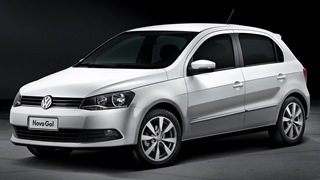
Volkswagen Gol e Voyage 2013

VW Gol e Voyage 2013E mais uma vez chega esse momento. Quatro anos depois de ganhar seu segundo reprojeto profundo, os carros-chefe da VW alcançaram a fase em que se faz necessária uma re-estilização de meia-vida para continuar atrativos frente à ofensiva cada vez maior dos seus rivais. Suas mudanças foram mais profundas do que uma mera atualização visual, e procuraram encaixar-lhes melhor nas tendências mais recentes. Aliás, é de se esperar que a VW mantenha a prática desses 32 anos e já declare que a linha Gol chegou à ata geração.

Continuando a falar do esperável, hatch e sedã se converteram à atual linguagem de estilo usada pela marca. Mas não é um exagero especular que eles tenham sido os últimos VW em todo o mundo a fazê-lo, salvo exceções como o Beetle e a nossa eterna Kombi. Ou seja, a dianteira ganhou farois retangulares escurecidos com detalhes brancos, unidos por uma grade preta que faz o conjunto parecer uma faixa preta, situada acima de outra que por sua vez abriga os farois de milha. As laterais ganharam a coluna entre as janelas em preto e novas rodas, e por fim as lanternas mudaram um pouco. Essa descrição já se torna cansativa porque atende a uma enormidade de modelos da marca com excessiva semelhança. Agora temos modelos de base como o Gol, medianos como Golf europeu e Jetta e luxuosos como Passat ou mesmo o topo-de-linha Phaeton, todos com um desenho tão parecido que fica cansativo de ver. É claro, fica fácil de se perceber nas ruas que se tratam de carros de uma mesma marca, mas essa aparição massiva traz desvantagens que não são tão desprezíveis como se possa imaginar num primeiro momento.

Volkswagen Gol 2013O problema é que os lançamentos da VW se tornam previsíveis demais. O estilo atual nasceu com o Golf de ata geração, que por sua vez curiosamente veio na mesma época em que o nosso Gol virava G5 e ainda recebia a tendência anterior. Esses quatro anos de modelo após modelo chegando a um mesmo resultado acabaram por retirar toda a sensação de novidade que as marcas tanto almejam nos lançamentos. Claro, as lanternas do Gol trocaram a disposição de luzes e ficaram bonitas. Já as do Voyage ficaram mais largas e estreitas, aproveitando a tendência de invadir o porta-malas difundida pelo Fiat Siena. Mas não são nem um pouco diferentes, em nada. São carros que em poucas semanas já vão passar despercebidos nas ruas, em especial pelas vendagens massivas dessa linha. E toda essa exposição ainda tende a prejudicar os modelos mais caros, porque se levar um modelo de luxo da mesma marca de uma Kombi ou um Gol já é desmotivador, a situação só piora quando ele também passa a ter tanta semelhança de desenho com modelos que custam várias vezes menos.

Vale lembrar, aliás, que o Golf de nova geração chega em muito breve, e dessa vez os alemães têm planos de trazê-lo ao Brasil o quanto antes (ou deveriam ter, pelo menos). Então, a linguagem de estilo que ele trouxer vai voltar a pôr esse processo em prática… e o Golzinho aqui visto vai ficar desatualizado em tempo recorde outra vez. É inegável que as vendas da VW satisfazem a ponto de ela manter aquele plano de liderar a indústria automotiva mundial em poucos anos, mas valerá a pena consegui-lo através de ignorar a originalidade de estilo que vem imortalizando uma incontável diversidade de modelos há várias décadas?

Volkswagen Voyage 2013A cabine mudou o revestimento dos bancos, o quadro de instrumentos adota iluminação branca para combinar com o vermelho usado nas telas de LCD. O sistema de som integrado ao console mudou, ganhando maior interatividade com a central eletrônica I-System. Um detalhe importante é que todo Gol ou Voyage agora traz vidros elétricos de série na dianteira e travamento central, além de alguns itens menores. Outro é que ele mudou a arquitetura eletrônica, e isso lhe trouxe novas funções. A Comfort Blinker, por exemplo, aceita o comando de seta com um toque mais leve na haste, enquanto o Emergency Stop Signal segue alguns carros de luxo: se o motorista pressiona o pedal de freio com muita força as luzes se acendem em forma intermitente, para chamar mais atenção, e quando ele pára as luzes de direção também acendem. Uma iniciativa curiosa é o Eco Comfort, que acompanha todos os exemplares com o I-System. Não traz nenhuma mudança, mas o computador de bordo passa a exibir mensagens que podem aparecer com o carro parado ou em movimento, como a de fechar as janelas quando com o ar-condicionado ligado, ou soltar o acelerador ao dar partida.

A tampa do porta-malas dos dois ganhou um interessante redesenho, ficando com aspecto mais limpo e elegante, mas não trouxe mudança na capacidade do compartimento. Já preocupação com a economia continua nos motores. O 1.0 passou por algumas melhorias e adota o sobrenome TEC, de Tecnologia de Economia de Combustível. Reduziu os índices de consumo e emissões, ao passo que potência e torque não mudaram. O 1.6 continua com a opção do câmbio automatizado I-Motion e também recebeu essas novidades, mas tampouco mudou estes últimos números. Ele não mereceu a tecnologia BlueMotion como uma versão mas sim como um pacote opcional, exclusivo para o 1.0 mas possível de se aplicar em hatch e sedã. Traz pneus 175/70 R14 de menor resistência à rolagem com calotas mais aerodinâmicas, e usa os indicadores de consumo instantâneo e troca de marcha surgidos com essa versão do Fox. O hatchback começa em R$ 27.990, enquanto o sedã parte de R$ 29.990.

Renault Fluence 2013

Click here to see the high-res versionIt doesn‘t take to be a car fan to notice the many levels of changes that can be performed into a vehicle. Since minor trim levels updates to a whole new project, this “science“ consists of considering several different factors to find the best possible combination to apply at each case. Some can‘t manage to collect the prize even with big investments, but there are others who have corrected only what was needed and therefore enabled themselves to an increased-sales future. Fluence now has definitely made its way to the second group.

What makes this topic very interesting to analyze is the variety of good and (specially) bad examples. Face-lifts should be only a short-or-medium-term update to boost the car’s sales at the second half of its current generation’s lifecycle, but they can only accomplish that when well done. There are some neutral examples, such as 1989 Fiesta’s updates for 1995 and 1999 or the 2005 Hilux’s updates for 2008 and 2011. However, looking to Fiat Multipla’s good sales from 2004 to 2010 gives the second reason to its facelift, following nothing more than meeting the 1998 car. Similar situation was faced by the 1978 Citroën Visa, which had only to change that hideous front design into a more conventional one in 1981 to see the sales prosper. Unfortunately, some cars end up losing the style harmony among the various attempts of looking modern and attractive, like the first Chevrolet Aveo: from a really neutral debut in 2003, it became a much more elegant car in 2006 but fall into the idea of being more sporty and came to 2008 with a very exaggerated design – similar fate was given to the Mexican first Chevrolet Chevy, which went from the widely known Corsa’s design to a particular one in 2004, and to what must be GM’s biggest front air intake ever made to a city car, in 2009.

Renault Fluence 2013When it comes to Fluence, despite of this one being its first official facelift it’s a fact that this car has already had its share of restylings. The car came in 2009 first as Samsung SM3 in South Korea, being restyled a few months later to receive Renault’s badge a few months later – in fact, some other Eastern markets decided to only rebadge the Korean car. The next year received the European’s electric version, and there came another different design to what was now called Fluence Z.E.. And to follow this pattern, the first facelift will be actually two “and a half”: there will be a new SM3, the new Fluence seen in this article’s pictures, and Mexico’s SM3 rebadged as Fluence – how many cars do you know that had seven different designs around the world in less than four years? The sedan enters 2013 with Renault’s new design identity, whose flagship car is the fourth-generation Clio. But it’s impressive to observe how it took only a new front bumper to finish this car’s natural opulence. The air intake became much wider to connect both headlights and a much bigger brand logo, resulting in a much stronger personality: Fluence now takes attention also from the front angle. And if it wasn’t hard to get a better-looking lower part than the 1990s-inspired one used by its previous phase, the new one brings the sophistication of the LED daylights along with grilles that give this car the elegance it has always deserved.

<\/param><\/embed><\/object><\/div>";" alt="">

And if the headlights were the only parts good enough to survive the restyling, it was easy to guess that the car didn’t change anything else but the wheels design: the sides and specially the rear were such well-designed that when it comes the time of bigger changes it’s better to show a whole new project rather than taking the risk of an unbalanced partial update. The interior received the Mégane family’s digital dashboard, front and rear parking sensors, electronic handbrake and the R-Link multimedia entertainment system: it brings Bluetooth connection, media player and GPS navigation through a big touchscreen on the top of the console. The car is expected to be start arriving at Turkey next January and then at the other 55 markets which sell it, and at first using a 16-valve 1.6 with 115 hp with Renault’s new CVT X-Tronic transmission. The new SM3 and the Mexican Fluence received similar internal updates, but Fluence Z.E. isn’t expected to change soon.

Friday, September 27, 2013

JAC J3 2013

JAC J3Com a redução do IPI chegando ao fim, cada marca precisa fazer o que pode para manter as boas vendas. Como a JAC não se pode dar ao luxo de perder o maior argumento de vendas, a linha 2013 tenta compensar com máscara negra nos farois, novo revestimento de bancos, manopla de câmbio do J5 e outros detalhes menores. Tudo isso apenas se soma ao generoso pacote de série de antes, mas não parece suficiente para compensar o aumento de R$ 2 mil para hatch (agora em R$ 36.990) e sedã (R$ 38.990).

Paris Motor Show 2012

Due to time availability matters, I need to restrict myself to write only about the most important foreign car releases, in order to conciliate with this blog’s initial purpose, which was to write only about Brazilian cars. However, reading about an exposition as big as this French one drives every car fan crazy very easily, so I’ll make my best to maintain this special article. The cars will be organized alphabetically so you can find them easily. In every opportunity I’ll update it with much more concise texts of each release, but you’ll can click at their picture to access a big photo gallery. I hope you enjoy!


Audi SQ5Audi SQ5 Concept: How about the first Audi S model not only to use diesel but also to be a crossover? Only 50 units will be produced, all of them in the exclusive Aral Blue. There’s also metal-painted details and luxury items such as xenon headlights to follow the impressive look started with those gorgeous wheels and finished by the typical four exhaust pipes. The interior will take the attentions with a contrast between black and white among several parts, such as seats and steering wheel. Opening the hood we see a V6 3.0 with two turbos and 313 hp, to get from 0 to 60 mph in 5s1.

Citroën C3 PicassoCitroën C3 Picasso: The European compact minivan received its first half-age face-lift, showing an improvement of the design created by the Brazilian department to its own market. It now features daytime LEDs, a conventional front air intake and restyled trunk lid, besides minor changes. There is a big panoramic sunroof, and some versions now can receive the eMyWay navigation system, which also brings USB port and Bluetooth connection. The interior received some new sophistication items, but this car’s main focus is really the casual look: there are two new color options, blue and white.

Citroën DS3 CabrioCitroën DS3 Cabrio: Cars like this one could explain why “charm” starts with C from “Citroën”. As if it wasn’t enough to entice from the customers who like the luxury of hatches such as Fiat 500 and Mini Cooper to the ones who like to drive faster, Citroën releases the open-roof version of the DS line pioneer. There were changes only at the roof, now retractile in several points, looking like a spoiler, and finally dropping also with the rear windshield and reminding the old VW Beetle’s cover, but never touching the sides. It’ll use two 1.6 engines: 108 hp with diesel and 148 hp with gasoline.

Dacia Sandero StepwayDacia Sandero Stepway: It’s really nice to see what the Romanian brand did with their famous line. After revealing both Logan and Sandero, they didn’t take long to offer the reprojected light off-road version, which originally is a Brazilian creation, along with the entire first Sandero, and since 2007 had huge success. Thus, as what was done with Logan, the hatchback evolved the original style, rather to change it. There are some plastic protective details outside, roof rack and 16” wheels. The high-selling formula consists only in that, so the engine options won’t change from the urban car.

Fiat Panda 4x4Fiat Panda 4x4: Innovative at the ‘80s, this version was so well-accepted that became a tradition to Panda. The latest generation now receives s traction with a visual package which resembles very much the Brazilian Fiat Uno Way. There are exclusive bumpers and wheels and some plastic details to protect the painting, which by the way received two new options. Inside, there are three options of colors, ecologic leather details and ELD differential lock to help at the off-road tracks, item also offered in Brazil. It’ll be sy-equiped and use the TwinAir 0.9 with gasoline or Multijet II 1.3 with diesel.

Ford FiestaFord Fiesta: This one has already appeared a few days before. The current generation now receives the half-age face-lift, whose design has received some changes to follow Ford’s latest design rules. Besides the resemblance with C-Max and Fiesta ST at the front end, the car received new technologies. The Active City Stop system helps to avoid collisions by reducing the speed, while MyKey brings parental control to restrict the car’s top speed and the maximum sound volume. It also comes with Ford Sync and EcoBoost engines, with the 1.0 option expected to bring excellent consumption rates.

Ford TransitFord Transit: Also called Tourneo, Ford’s small commercial van receives a new generation with such a nice interpretation of the Kinetic design that it barely reminds a cargo vehicle. It now uses a worldwide platform to enable its selling at many more markets, but at a first moment it’ll go only to Europe and North America. There are lots of technologies to improve the efficiency specially at the new Connect version, but the best examples of that are the engines: respectively, Transit will use a 2.2 Duratorq with diesel and a 3.5 EcoBoost with gasoline, offering front, rear or AWD traction options.


Honda CR-ZHonda CR-Z: As it was announced a few days ago, this hybrid sports car receives its first face-lift although it completes only three years. But they weren’t big, restricted only to the front design and minor changes at the interior, according to Honda. They preserved the large color options’ list and also the engine: if you want an ecological car but avoiding the family style, CR-Z solves your problem with the 1.5 i-VTEC and the electric engine, but with some improvements to gain 13 hp and now produce 135 hp. This power allows it to go from 0 to 60 mph in 9s and to the top speed of 123,6 mph, with 4,16 l/100 km.


Hyundai i30 3-doorHyundai i30 2-door: The second generation came so appealing and stylish that nobody remembered 4-door cars are usually are designed for families. But Hyundai did, and now shows what you can think as a half-way between the already known new i30 and Veloster. There wasn’t need to deep changes to obtain the new body option, so they also brought an exclusive front air intake and fog lights design. One of its four engine options is an 1.6 diesel with 97 g/km of CO2 emissions, and the really nice Flex Steer system, which allows the driver to change the steering resistance to better suit any driving condition.


Kia CarensKia Carens 4: Ten years ago, who could say Kia would become a true high-level automaker? From that excessively neutral design from the 1990s and 2000s, they developed their own style rules and achieved huge success with each car that received Peter Schreyer’s magical touch. Now is the time to apply it to their mid-size minivan, which attracts by a more dynamical look, using organic lines to avoid the old-fashioned impression of its previous generations this will start a really nice fight with Ford B-Max. The biggest info released so far is that Carens’ platform is shared with the new Cerato.


Lancia FlaviaLancia Flavia: Badge engineering matters aside, it’s impossible to deny this car is classy. The luxury Italian brand’s latest product spends 16,1 by 5,9 feet in an elegant cabriolet design which features the best of both Chrysler and Lancia design departments, without resorting to exaggerated sporty items or bright colors in order to achieve a much more mature impression. It’s redundant to say that it has lots of comfort and security equipments, but it’s worth to see the combination of black and white used at the interior, whose seats were designed to four occupants. This car uses a 2.4 with 170 hp.


Mini Cooper JCW GPMini Cooper JCW GP: If you’re tired of so many special Coopers, this one has a different appeal. Is “the fastest Cooper ever” enough to attract you? If not, how about saying it defeated Nürburgring Nordschleife it in only 8m23s? Besides of the 17” alloy wheels, painting and stickers, this car received a whole new aerodynamic kit and lost even the rear seats. And you think that’s it? Well, start to smile, because you’re wrong: the omnipresent 1.6 turbo was improved again and now takes the car from 0 to 60 mph in 6s3 and to the top speed of 150,4 mph. There will be produced 2.000 units.


Renault Clio EstateRenault Clio Estate: After the first reveal made by “accident” in a video around the hatch’s release, now the station wagon officially debuts its gorgeous design. It’s amazing how Renault extended the hatch’s style at the same time that gave it own personality. Clio Estate is still very sporty but became more elegant, with smooth surfaces and black-painted columns to visually join the windows and make the whole car seem longer. The engine options will be shared with the urban Clio, but the extra 7,9 inches increase helped at the 430 L trunk, which can increase by folding the rear seats.


Renault Clio RSRenault Clio RS 200 Turbo: The fourth generation has received one of Clio’s most iconic versions. The name anticipates the 200 hp and 239,3 Nm generated by an 1.6 with direct injection and double-clutch automatic transmission, whose technologies also bring a 25% lower fuel consumption, according to Renault. This car has three driving modes, but the coolest feature is the R-Sound Effect: it digitalizes the engine sound to transfer to the cabin through the speakers. Clio RS offers Sport and Cup versions, this one with more rigid suspension and Brembo brakes for better track performance.


Toyota Auris TouringToyota Auris Touring: After first revealing the hatchback version, the Auris line is now completed. The design is more familiar, but still is much more modern than what’s usually expected for these cars, specially by the use of items such as the rear spoiler. The European wagon has increased 11 inch at the wheelbase in order to achieve bigger internal space, but a really nice item is the panoramic sunroof, who takes advantage of the very inclinated windshield to compose a huge glass area. The trunk size wasn’t revealed yet, but one really nice feature is that Auris will have a hybrid option.


Volkswagen Cross CaddyVolkswagen Cross Caddy: After extending the wheelbase, using two kinds of fuel and celebrating its own 30th birthday, the German small van joined the Cross series, which has Golf and Polo’s versions in Europe and Fox, Saveiro and SpaceFox’s in Brazil. Caddy follows them with exterior plastic details such as fenders and footboards, and protective bars at the bumpers. But some items remember this isn’t a car to travel through rough tracks with: chrome roof rack and 17” alloy wheels and LED daylights go much better with the city. The engine options will be shared with the urban Caddy.


Volvo V40 Cross CountryVolvo V40 Cross Country: This car has always been subversive: it’s only the second Volvo’s modern hatchback and also using a V-name, until now restricted to the station wagons. But now it appeals to genetics and receives Cross Country version, which became famous with V70. Thus, as the pioneer sister, V40 combines a light off-road style with urban fashion items, resulting at exclusive bumper design, roof rack and 1,57 inch taller suspension sharing the same car with chrome protective items and 19” wheels. Besides that, it uses the 213 hp 2.0 or the 2.5 T5 with 254 hp, which allows a 0 to 60 mph at 6s1.


Are you missing some of the cars exposed at the event? Some of them have already received their own articles, with detailed information and more pictures, and they all can be found clicking here or searched by name at the top left field of this blog. If you’d like to see a bigger text like those for any of the cars listed here, just leave a comment here asking so, and it’ll be published it as soon as possible.

Audi A1 Sportback

Click here to see the high-res versionEsse plano de lançamentos vai deixar muitas saudades. Depois de passar o ano inteiro num ritmo médio de um carro ou versão novos a cada duas semanas, dias depois de trazer o superesportivo RS5, quem chega é uma opção também muito estilosa, mas que tem foco diferente. A Sportback nada mais é que a versão quatro-portas do que já se chama de “Audi caçula”, em duas versões bem diferentes. Pode não parecer um destaque grande, mas neste artigo você verá por que ele é um lançamento muito importante para a marca.

Marcas como BMW, Cadillac, Lancia e outras similares detêm a chamada reputação de “marcas premium”. Trata-se de uma diferença de percepção por parte do público que nasceu por diferenças na estratégia dessas empresas, e hoje em dia se torna uma via de mão dupla que se esforça em trazer benefícios a ambos lados. É um processo simples: as tais empresas não só produzem veículos melhores, seja em luxo, mecânica, qualidade de construção ou algum outro fator, como expõe esse produto melhor de uma forma diferente. As propagandas, o estilo das concessionárias, tudo converge a uma discrição elegante que não passa despercebida pelas pessoas. Pelo contrário, isso lhes faz ver essas empresas como melhores, um tanto superiores. Portanto, elas buscam continuar oferecendo produtos dignos de todo esse status, e esse ciclo se mantém enquanto houver colaboração mútua. A questão é que uma dessas formas de tirar proveito é de a empresa lançar modelos mais acessíveis, mas preservando o máximo possível da imagem que firmou com os maiores. Ou seja, oferecer o mesmo perfume em frascos menores, para poder cobrar menos e vender mais.

Audi A1 SportbackTrata-se de uma estratégia inversa à que originou Citroën DS3, Fiat 500 e Opel Adam: por mais que tenham porte e até preço parecidos, estes são modelos de marcas mais acessíveis e que buscam oferecer o visual caprichado a doses de luxo maiores que o visto no restante da linha. Voltando ao A1, o fato é que ele ganha muitos pontos justamente por representar a porta de entrada da classe média-alta ao tal padrão superior a que tanto almeja. A ideia é seduzir este nível de consumidor a deixar os topos-de-linha das marcas mais baratas, para pagar um pouco mais e levar um carro muito superior, mas que cuja marca até pouco tempo atrás praticava preços estratosféricos. O A1 já havia começado a difundir esse aumento de versatilidade no Brasil há mais de um ano, mas até então apenas na versão duas-portas. A vinda da Sportback passa a ser uma excelente aposta, então, porque seu formato mais convencional permite à Audi atrair também as famílias pequenas, que veem num carro deste nível uma excelente forma de consolidar a ascensão social que tanto buscam e até um toque extra de estilo e jovialidade, mas sem chegar a desembolsar o que se pede pelos sedãs grandes. Essa hipótese ganha fundamento pelas próprias diferenças que o quatro-portas (não) traz: ele só mudou o que precisava para ganhá-las, preservando o máximo possível da imagem original.

Com isso, fica necessário esclarecer que enganado está quem pensa que isso é um defeito. O A1 vem colecionando elogios ao redor do mundo precisamente por cumprir bem a proposta que faz, de trazer as qualidades de um legítimo Audi em tamanho reduzido e com preço em escala ainda menor. Estão lá a dirigibilidade incomparável, auxiliada pelo câmbio S-Tronic, a altíssima qualidade de acabamento, o estilo recortado e de forte identidade visual, e até mesmo os farois com luzes diurnas em uma fileira contínua de LEDs. Mas além de acesso mais fácil ao banco traseiro, a altura ganhou 6 cm em relação ao três-portas. O A1 Sportback terá opções de coloração diferentes, em que agora toda a parte de cima do carro pode vir em cor contrastante em vez de apenas os arcos, mas apenas em preto. As versões são duas: a Attraction sai por R$ 99.900 e usa o já conhecido 1.4 TFSI de 122 cv, enquanto a Ambiente usa o mesmo 1.4 mas com turbo e compressor, chegando aos 185 cv vistos no A1 Sport, e sob o preço de R$ 114.900. Esta versão também traz acessórios mais esportivos, e faz o modelo acelerar de 0 a 100 km/h em 7s, e chegar à velocidade máxima de 227 km/h. Num primeiro momento, a Attraction será vendida com desconto de R$ 5 mil.

Thursday, September 26, 2013

Nissan March SR Premium

Nissan March SRA chegada de novos membros está provocando reações rápidas entre os hatches populares. A Nissan resolveu dois problemas de uma vez: o pacote opcional Premium soma bancos em dois tons, conexão Bluetooth, farois de neblina, freios com ABS e EBD e sistema de som multimídia com comandos no volante. Mas o pulo-de-gato é que ele só pode vir na versão de topo, SR 1.6 16v flex. Seu preço inicial é de R$ 37.190 e ela mantém todo o pacote de itens de antes, incluindo o kit de spoilers e os adesivos externos.

Aston Martin V8 Vantage

Click to go the photo galleryHow about starting 2013 with a big photo gallery? The last year gave this car some design updates that surely improved its imponent, unmistakable Aston Martin design but focused at the aerodynamics, in order to achieve better driving dynamics. Besides, the entry-level 4.7L V8 has been reworked to become more efficient. It generates 420 hp now and uses a manual six-speed transmission, but offering an optional Sportshift II seven-speed gearbox. Clicking at the picture will take you to more official photos.

Wednesday, September 25, 2013

Fiat Palio e Strada Adventure Dualogic Plus

Clique para ver a foto da Strada AdventureDirigibilidade melhorada é a arma dos pioneiros Fiat Adventure para 2013. Tanto station wagon como picape (esta apenas na opção de cabine dupla) trazem a nova fase do câmbio automatizado Dualogic, cujo funcionamento fez grandes evoluções na suavidade e agora traz as funções Creeping e Auto-up Shift Abort, que por sua vez facilitam operações cotidianas como baliza e retomadas. Os dois modelos não tiveram outras alterações, mantendo também o motor 1.8 16v e.TorQ de potência e torque de até 132 cv e 18,9 kgfm.

Nissan Versa Note

Click to see in high resolutionThis automaker’s politics with its smaller-sized cars isn’t very common. Nissan decided last year that Sentra’s latest generation would be shared with the sedan’s Eastern sibling, Sylphy, in order to reduce costs. Now this strategy will be repeated with the Japanese minivan Note, which was adapted to North America as their new Versa hatchback. The thing is, this car is so different from the sedan that they should even have different names. This article will show what this new hatch-minivan will start to bring next summer.

Although this car shares platform with the sedan just like Versa’s previous generation (which was called Tiida at some countries), its own versions were clearly two variations of the same car. However, the current phase first received the sedan with much lower price, in fact reduced enough to make it compete at the subcompact level, while the hatchback that shares its name is this article’s car. Versa, in fact, looks much more like March/Micra, to the point of they sharing the very same central console. But since the North-American market would never accept a car that small, their choice was to “force” Versa’s line creation with the new car, which will certainly be sold at other markets as a medium-sized hatchback – or even minivan. Nevertheless, this car’s design can be seen as one more proof that Nissan’s idea isn’t to unify their showroom into one single design language, but some of them. So if the sedan now reminds is bigger siblings Altima and Sentra, Note sticks to being the production version of the Invitation concept car. In other words, it brings a very attractive design, without any excess of elements: the front section, for instance, takes all the attention to both the headlights and the grille, with an integrated design which gives an imponent look but also reminds very much of Honda CR-V.

Nissan Versa Note 1Nothing of that comes as a complaint, though. Note’s design could be described as an up-to-date version of what has been seen at Nissan’s hatches and minivans since the last decade. These lines are more sophisticated than Tiida’s and Livina’s, with better-looking volumes, abandoning the excessively straight lines and creases, some aerodynamical aids, like the two strong roof creases, and using much more inspired tridimensional shapes, such as the tail lights. Entering it, the V-platform shows its advantages with a very well-planned room. Subcompacts never give priority to fancy design or top-notch material quality, but to room for five and lots of pratical solutions: this car counts on items such as 60/40 divided rear seats, whose space can be rearranged with the trunk’s: besides using the complete area, there’s an extra floorboard to create a separate space for smaller items, or finish composing a flat space when those seats are down. On the other hand, it’s very nice to see that Nissan has invested very much also at Note’s safety. Offered in four trim levels, this car can come with tire pressure monitoring system, braking system with ABS, BAS and EBD, and stability and traction controls – the S version will start from $ 13,990, but there are also S Plus, SV and SV with SL package.

Nissan Versa Note 2But this car has other concerns, too. In order to take customers from Chevrolet Spark, Hyundai Accent or even Fiat 500, Note received a very good technology package: the multifunctional Intelligent Key opens the doors of a car which can bring keyless entry, electroluminescent dashboard, heated front seats, cruise control, GPS tracking, higher-quality internal illumination and an impressive infotainment system: the 5.8” touchscreen gives access to weather conditions, s navigation system, hands-free text messaging and media streaming over Bluetooth connection, online radio through iPhone internet, rearview monitor with the conventional reverse-gear images displayed at the screen, but also the new Around View Monitor, whose four cameras are set one at each side of the car. They work together to help parking by creating a virtual 360° image of the car, allowing to see the exact space available for each situation. Versa Note will always use a four-cylinder 16-valve 1.6L engine, with 109 hp and 107 lb-ft. It uses front-wheel-drive, double injection, continously variable valve timing and several other technologies to achieve the city and highway mileage of 31 and 40 mpg, respectively – only the entry version brings a five-speed manual transmission, while the others count on the CVT Xtronic gearbox. As usual, this car will be produced in Mexico.

Audi A6 Allroad

Clique para ver em alta resoluçãoSe você acompanha as novidades automotivas do mercado brasileiro com certa frequência, com certeza lembrará que o ano passado foi muito importante para a Audi no país. Tivemos toda uma ampliação de sua linha, com modelos de todos os tamanhos e preços chegando sem tanto atraso e até acompanhados de outros até pouco tempo atrás improváveis. As novidades de 2013 também têm enorme importância, mas cada uma pelos próprios motivos. A primeira é esta perua, que segue uma tendência muito famosa no Brasil.

Suspensão elevada, revestimentos externos em plástico preto, detalhes como rack de teto e estribos laterais, cabine um tanto mais “rústica”… A receita dos chamados “aventureiros urbanos” começou em meados dos anos 1990 com duas peruas, uma na Europa e outra no Brasil. Volvo V70 Cross Country e Fiat Palio Adventure deram duas interpretações diferentes ao nicho de mercado que de início fez fama por representar a união entre a vocação familiar de uma station wagon com toques mais aventureiros vindos dos SUVs. A questão é que em poucos anos esse conceito convergiu aos crossovers, de forma que hoje em dia essas peruas têm um público bem mais restrito e precisam de maiores esforços para continuar agradando. Em outras palavras, é necessário que estejam em perfeita sintonia com o que seus clientes desejam. A faixa de V70 e A6 Allroad tem enormes diferenças da de Palio Adventure e VW Space Cross, mas todas vêm apenas em decorrência das faixas de preço – o conceito, no entanto, é o mesmo. O segundo batalhão é bem mais conhecido pelo brasileiro, em que as peruas compactas focam numa profusão de acessórios maiores e menores mas sempre em especial no exterior, para conseguir um visual bem diferenciado das versões comuns. O interior até recebe mudanças, mas ali a regra é oferecer o pacote de itens mais completo. Ou seja, o resultado é uma versão de topo com visual exclusivo e algum preparo para o off-road leve, mas sem investir demais.

Audi A6 AllroadJá quem faz parte do mercado de luxo e decide levar uma perua do segmento que também inclui a Peugeot 508 RXH tem outros objetivos. Eles também gostam da ideia de jovialidade trazida pelos acessórios exclusivos, mas não perdem o gosto pela discrição. E os que precisam se afastar dos centros urbanos ainda apreciam os equipamentos que trazem real aptidão para o fora-de-estrada, como a tração integral. No caso da Allroad, os vários protetores em preto e prata com revestimento em aço inoxidável dão um destaque interessante por não destoar do carro e nem tentar fazê-lo parecer outro. A jovialidade implícita pelas belas rodas é continuada no interior, em que os detalhes cromados fazem um par de ótimo gosto com os revestimentos em couro marrom. Os itens de série incluem ar-condicionado bizona, central de entretenimento com GPS e tela retrátil, teto solar panorâmico e volante esportivo. Já a segurança vem com os vários tipos de airbags, câmera de ré e indicador de pressão de pneus, entre outros. Vale observar a suspensão a ar adaptativa, que em terrenos acidentados eleva o veículo em 35 mm, mas em altas velocidades privilegia a performance e o rebaixa em 15 mm. Ele traz o motor 3.0 V6 TFSI, que gera 310 cv e acelera de 0 a 100 km/h em 5s9, e que ficou 20% mais econômico: a marca informa média de 8,93 km/l, sempre usando tração integral quattro e câmbio S-Tronic de sete marchas e dupla embreagem. Foi confirmado o preço de R$ 354.900.

Tuesday, September 24, 2013

Renault Logan e Sandero 2013

Renault Logan e Sandero 2013Agora sim, foi feito o lançamento oficial da linha que já aparecia no configurador online da marca desde alguns dias atrás. As fotos já indicam que as alterações não envolvem a parte de estilo, porque na verdade a área que precisava de atenção era outra. A Renault focou em melhorar o custo/benefício de sua linha de compactos porque as últimas novidades no segmento vêm representando uma ofensiva cada vez maior da concorrência. Uma notícia ótima é que esta defesa contou com amplos trabalhos da filial brasileira.

A massiva presença de Logan e Sandero nas ruas do país mostra que nosso mercado lhes deu excelente recepção. O sedã chegou primeiro, sem negar em momento algum suas raízes de baixo custo, cuja combinação de farto espaço e preço baixo lhe trouxe favoritismo entre os taxistas. Algum tempo depois veio o hatchback, com projeto nacional, mas quiseram deixar com ele todo o apelo emocional, de forma que mais tarde foi ele quem começou a ganhar a maioria das edições limitadas e das versões especiais. Entretanto, não se pode negar que os dois já passaram de meia década de mercado e do primeiro face-lift, então a estratégia de mercado precisa mudar. Já existem projetos avançados para a nova geração dos dois na Europa, onde deverão manter a marca Dacia, então a geração atual passa a se basear em aspectos mais racionais para manter números de vendas satisfatórios. O Sandero, por exemplo, possivelmente já teve a série Rip Curl esgotada, mas ganhou a série GT Line renovada e agora como versão permanente, como se pode ler neste link.

Renault Logan e Sandero 2013Em um trabalho completamente realizado pela Renault Tecnologia Américas (RTA), central de engenharia instalada no Brasil, o retrabalho feito no motor, antes chamado de Hi-Torque, consumiu 36 meses de trabalho e sete mil horas de testes em laboratório, além do uso de quarenta protótipos. Agora chamado de Hi-Power, ele ganhou maior taxa de compressão, teve a central eletrônica mais avançada e várias de suas peças foram trocadas ou melhoradas, num total de 51 que inclui um quinto bico injetor, bielas forjadas de aço e pistões mais modernos. Mantendo as oito válvulas, ele passa a gerar potência e torque de 98 cv e 14,5 kgfm com gasolina, e 105 cv e 15,5 kgfm com álcool – segundo a marca, 85% do torque está disponível a partir das 1.500 rpm. Ainda de acordo com cada combustível, isso lhe permite aceleração de 0 a 100 km/h e velocidade máxima de 11s8 e 172 km/h e 11s2 e 174 km/h, respectivamente. O câmbio de cinco marchas é o mesmo, mas teve a relação de marchas alterada para privilegiar o consumo. Agora, entre as versões de Sandero e Logan que usam motor 1.6, apenas as equipadas com câmbio automático rodam com o 1.6 16v.

A tal preocupação com o custo/benefício se traduziu em alguns equipamentos a mais. A versão Authentique 1.0 16v (R$ 26.450 para o Logan, R$ 27.030 para o Sandero) ganhou o Pack Plus de série, que trazia amenidades como calotas e desembaçador traseiro. Já a versão Expression soma o Pack Conforto, e este sim é generoso: agora vêm de série ar-condicionado, computador de bordo, direção hidráulica e vidros dianteiros e travas elétricos, tanto com motor 1.0 (R$ 31.770 e R$ 32.610) como com o novo 1.6 (R$ 35.480 e R$ 35.930) – o Sandero nesta também ganha novas rodas de liga leve. A mesma versão faz o topo da linha do Logan, com câmbio automático por R$ 39.230, mas o caso do Sandero teve novidades: sua versão Privilège custa 38.470, mas ela perdeu a opção do câmbio automático – com o perdão do trocadilho, este privilégio passa a se restringir à versão Stepway, que com ele custa R$ 41.760 mas usando o manual fica em R$ 40.660. Já a versão GT Line fica nos R$ 38.470, como já se podia configurar pela internet.

BMW Z4 2013

Click to see in high resolutionAt this moment of December, most automakers have already finished their releases cycle for the year, in order to start preparing for the next one’s. However, since there’s the Detroit event already next month, it won’t take long for all that buzz start again. That must be why BMW decided to anticipate one more release to 2012. Z4 has changed so little that it couldn’t even be called a facelift. It’s better to define it as very slight improvements to a roadster which actually is many years far from needing any deeper changes.

Z4’s current generation has arrived in 2009, but it really doesn’t look old. Maybe also because BMW is still using the same design identity, but the fact is this roadster was very well designed. There was a big evolution from the previous generation, because the same controversial straight lines and very strong creases received a whole new interpretation. The car became more opulent without losing the initial concept. The volumes became more aggressive, with a change of size and proportions which did nothing but increase the pure, crude sportiness impression this line has transmitted for more than thirty years, since Z1. Since Z4 is one of the few BMW who aren’t part of an entire family (another one is 7-Series, for example), the designers had s freedom while working on it and really used it – it’s easy to observe that looking at this roadster reminds of all the BMWs in general, but not too much of any particular one. Besides that, since this generation is still young, there’s no need of performing big updates: the car received new LEDs daytime lights and new wheels designs, in 17” or 18”. In other words, it’s probable that only the biggest fans will manage to recognize a 2013 Z4 while in movement, but it still isn’t a reason to complaint: it would be so hard and expensive to perform partial changes to this design without losing the balance that it’s really better to only touch it when it’s time to give a whole new generation.

BMW Z4 2013Therefore, the Germans focused at improving the interior. Z4 received a new coating that joins Alcantara to the usual leather for the seats, along with some piano-black-painted details. It still brings very good trim levels, including the big touchscreen which controls the iDrive infotainment system. There are three new external colors, but only the option showed at these pictures brings the Hyper Orange pack: this is the responsible for the internal details using this same color, matched with white and piano-black ones to create a very creative cabin; Audi, for instance, never lets the black and aluminum-silver go away from its cars. These pictures’ roadster also received a whole new trim level with an also new engine: sDrive18i comes for the entry level with a 2.0L turbo, whose 150 hp can be paired with manual six-speed transmission or automatic eight-speed, in order to go from 0 to 60 mph in 7s9 and to the top speed of 137 mph. This car will hit the North-American streets in next March.

Monday, September 23, 2013

Chevrolet Impala 10

Click here to see the high-res versionHappy times for the automakers were the 1950s, and they didn’t realize it. There was plenty of space for newcomers, each brand had to please only their homeland and some neighbor countries, and since cars were a luxury item there wasn’t any concern of reducing the costs. However, today’s scenario is so competitive that it’s necessary even to “divide” a car’s release, from teasers to the sales start, to multiply its attention from the media. Here you will see why the new Impala deserves each and every one of these spotlights.

Impala is such an important car not only for the five decades of selling in the North-American market, but for what it represents for GM. While this group has always had Cadillac at the high-luxury market, the car initially sold as coupe and convertible could find its way to the success for being a halfway between what was already offered at that time, using the best quality Chevrolet could offer (it came above the very famous Bel-Air) but without a price overlap with the richer brothers that would stop Impala’s sales in favor of them. Besides that, it’s very nice to observe that this car was always up-to-date with each moment’s conceptual trends: the first generation, for example, offered lots of colors options, both inside and outside. The second one came already two years later and already completely restyled, using a very opulent design characterized by tailfins and huge sizes both in length and engine options. In 1961 there were some style containments which were followed by the fourth generation, making Impala finish this decade with a very classy and elegant style, including the famous Coke bottle trend. The 1970s began with much more straight lines and still lots of V8 engines, but the sixth generation suffered downsizing in order to meet the current demands. At that time, this car was starting to forget the coupe’s origins in favor of the sedan and station wagon’s sales.

Chevrolet Impala 1However, since Chevrolet had been selling Caprice above Impala since the 1960s, it was needed a whole new strategy to keep both excellent sales. The two sedans received a huge restyling in the early 1990s, dropping the straight lines in favor of a more aerodynamical design. But since they would compete for almost the same public, it was decided to sell Impala only at the sporty version SS, as a high-performance option for Caprice. Both were discontinued after some years without successors, but the Impala badge was resurrected in 2000. There were more efficient engines, reduced sizes and even front-wheel traction, all because the car received a whole new platform. This modern idea was updated with the ninth-generation in 2006, including a new SS version, a 50th anniversary edition and even a Flex-Fuel version, prepared to use E85. But the times started to change very fast in the latest years, and Impala needed to follow them. The original idea was to go back to the rear-wheel-drive, but GM decided to use the very modern Epsilon II platform. This means Impala is able to bring all the cutting-edge technologies already developed by the group and to receive the future ones: this includes hybrid engines, comfort items such as the new MyLink entertainment system and all kinds of safety equipments.

Chevrolet Impala 2The tenth generation is by far the best Impala ever produced. The new price list wants to reduce the overlapping with Malibu in order to separate each one’s public, giving the more classic customers to what is now the biggest Chevrolet sedan available. This car will start from US$ 27.535 at the LS version, US$ 30.760 at LT and US$ LTZ, initially only with the 3.6 V6 of 300-hp. Later, there will be a smaller 2.5 with 195 hp and even the eAssist version, using an 185-hp 2.4 option, but there isn’t much known about it so far. The pictures reveal a very spacious interior, with a very elegant interpretation of Chevrolet’s double-cockpit concept in two colors. Impala shows that even a classic car can take the advantages of the modern times, including the new MyLink version in a big touchscreen, a very beautiful dashboard and even the blue night internal lights, to give a more creative illumination than what’s usually seen. There are notable price differences between the trim levels, but even the cheapest one dazzles the customers with 18” alloy wheels, ten airbags and automatic six-speed transmission – the LTZ level is the red car seen at some of the pictures. Impala will wait until the next March to hit the streets in this new generation, and it’ll compete with other very traditional sedans: its main competitors are Dodge Charger and the also recently-restyled Ford Taurus and Toyota Avalon.

Mini Paceman

Click here to see the high-res versionWho could ever imagine an automaker would have suffered such an enormous transformation like Mini did? From the cheap and compact Morris Minor of 1959, after more than four decades BMW took its control and started an entire revolution with the completely reprojected Mini Cooper. Its success became so high that encouraged the arrival of several more versions, unimaginable at the old times. Now this brand has become one of the latest fashion symbols at the cars’ world, which latest symbol is the now revealed Paceman.

If you ask someone from the company about what kind of customer Paceman suits better, the answer would probably list a series of qualities of the their target profile and also list a series of qualities of the car which, for them, can fulfill those people’s needs for a car. You won’t have an answer like “big families”, “early-thirties singles” or “middle-aged parents” simply because Mini is way far from these kind of sales. Their cars are fashion icons and this has started a long time ago, already with the classical Cooper, so they don’t point their products at one particular public. However, since they have to attract the most different kinds of people, this must be their reason to launch so many new versions at so little time. Cabrio, Clubman, Clubvan, Countryman, Coupe, JCW, Roadster, each one has a different proposal but all of them have to follow the same style rules based at the original car, so they end up much alike and therefore competing among themselves for some of their potential customers. Being the youngest member of a family that big leaves Paceman to be defined in more than one way: Mini sees it as the coupe version of Countryman, but you can also think of it as a more opulent Cooper or even a less familiar Clubman.

Mini PacemanIt’s nice to see that Mini doesn’t make efforts into sharing exterior parts among their cars in order to save money, because the price reduction implied by that would be followed by several design losses which become even more important at this kind of car. So what is seen is a very casual model, with the same overall style of the 4-door version it came from but with a different personality. It’ll never stop looking like a mutated Cooper, but once again they achieved a nice result. Specially at the rear, with clean but well-sculpted shapes and elegant tail lights. Since this one will only have two doors, they’re bigger than Countryman’s ones, and became followed by more bulged fenders, to give an imponence sensation. When entering it, this car reminds again that it is a Mini, so it won’t save any effort into being different of the other cars. There is the same Mickey-Mouse-inspired central console to give a casual air to the room, and the luxury starts by the seats: if this car doesn’t need to carry much people, why bothering to make a rear seat who badly pretends to take five occupants if everyone knows only four would travel with total comfort? Mini has expressed that thought by changing the normal continuous three-people rear seat for two individual ones in a process that doesn’t avoid to remind the upgrade to an airplane’s first class seats.

The front ones still have plenty of space and comfort, but speaking of the rear ones, they can also be folded in order to increase the trunk space from 330 L to 1080 L, making clear that Mini didn’t forget the small families with this car. However, since the off-road side of the family must have been taken entirely by Countryman, Paceman has preferred to be more sporty. According to the company, its has lower suspension and a different chassis. It’ll always use a six-speed transmission, manual or automatic, and can bring the All4 traction system. When it comes to the engines, there are two options with diesel and gasoline each. The first one uses a 112 hp 1.6 or a 143 hp 2.0, while the second comes with the classical 1.6 of BMW and PSA, here with 122 hp or 184 hp. Of course, this will be the biggest debut of Mini at Paris Motor Show, but its sales will start only at March 15th at the United Kingdom, starting at £18.970. And if you belong to the group who read this entire article with a strong but unknown déjà vu feeling started since the first look to the very first picture of this car, here’s the answer you may be looking for: specially from the rear view, doesn’t this car look exactly like a reduced-scale Range Rover Evoque?

Hatches populares

Como não podia deixar de aparecer, aqui está o espaço dos populares. Sem informações como preço básico ou listas de itens porque isso varia demais com cada versão e em especial com cada estado, mas aqui se apresentará um resumo da situação de cada um. Tanto sobre sua competitividade no segmento como sobre a proximidade de eventuais face-lifts. Este artigo estará recebendo atualizações sempre que surgirem novidades na categoria, que de longe é a mais vendida do país.


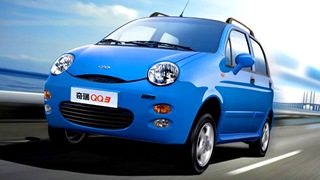
Chery QQChery QQ: Chegou como o carro mais barato do país, mas manter essa meta fica difícil com a importação da China. Então ele se dedicou a aliar muitos itens a preço baixo, mas isso só mascara que se trata de um projeto antigo, na verdade até copiado de um da GM, e com qualidade de montagem que não é das melhores – basta um olhar mais atento a encaixes falhos e materiais com rebarbas. Some isso ao pós-venda de duvidoso e à iminente chegada de uma nova geração na terra natal, e o S18 se mostra mais atraente.


Chery S18: Atraente também porque quando a Chery concluir a fábrica brasileira pretende que este seja um dos modelos a se produzir aqui, o que reduziria seus preços e portanto mataria o QQ. Ele também tem pacote de itens fechado e completo, mas é curioso como seu desenho de linhas inchadas consegue gosto pior que o do irmão mais velho citado acima. Porém, gostos à parte, ele se torna uma boa compra por oferecer motor flex, e quando virar nacional pode até ganhar toda uma família de modelos.


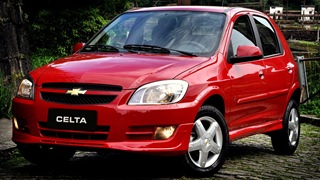
Chevrolet Celta 2012Chevrolet Celta: Outro que surgiu com a missão de desbancar o Mille no menor preço do país, mas não conseguiu. Mas este se valeu do desenho esportivo de nascença, ganhou mais itens e no final conseguiu atravessar a década com êxito de vendas. Seu projeto é de 2000 com base no Corsa de 1994, então sua manutenção é das mais fáceis. Mas esta mesma idade é a razão da vinda de um sucessor, que aliás já está em gestação avançada. Ou seja, é de se esperar que o Celta não sobreviva por muito mais tempo.


Effa M100: Este foi o primeiro chinês da leva atual a chegar no país. Foi quem inaugurou a estratégia de mascarar seu defeitos tentando agradar não só com muitos itens como com o menor preço do mercado. Mas basta comentar que uma revista precisou interromper seu teste de longa duração por falta de condições satisfatórias de segurança para entender seu insucesso. E as críticas não param aí: acabamento de baixa qualidade, motor 1.0 muito fraco e movido só a gasolina, assistência técnica escassa...


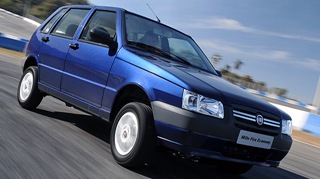
Fiat Mille EconomyFiat Mille Economy: Surgiu em 1990 como uma mera versão do Uno, mas sua resistência de Highlander surpreendeu o país: passou de versão a modelo quando aquele saiu de linha, não se abalou com a chegada do Palio ou de suas versões básicas Young e Fire, e nem agora quando o próprio Uno ganhou nova geração. Tantos donos não podem estar errados: nessa faixa de preço design e luxo dão lugar a manutenção fácil e barata, bom espaço interno e motor econômico. E ele consegue tudo isso muito bem.


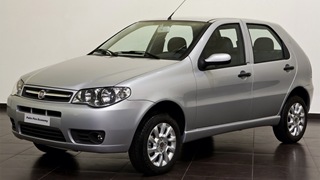
Fiat Palio EconomyFiat Palio Fire: Era até compreensível que ele atendesse os que queriam um carro mais barato mas sem viajar aos anos 80 com o Mille. Curioso é que mesmo com a chegada do novo Uno, este bem mais moderno, o Palio de entrada ainda defende vendas muito boas. Seus atrativos no meio dessa família tão grande de hatches Fiat são o estilo da que se considera a melhor fase do Palio antigo, motor com preparação Economy e talvez até a imagem, bem mais sóbria e discreta que a do tão famoso novato.


Fiat Uno WayFiat Uno: O que falar do primeiro carro a ameaçar a liderança de vendas do Gol desde 1987? Seu desenho lúdico e moderno tem agradado a tanta gente que não vai precisar mudar tão cedo. Aliás, a razão desse sucesso é a capacidade de agradar a todos: este camaleão tem versões aventureira, econônica, ecológica e esportiva, a maioria com duas ou quatro portas. Os motores são 1.0 e 1.4 Fire Evo. A linha 2013 melhorou a oferta e ganhou mais itens. A paleta de cores é a maior do país. E sua linha de acessórios é quase infinita.


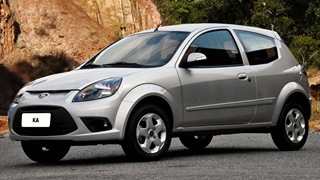
Ford Motor Company brasil Ltda<br />NOVO FORD KA 2012<br />NOVO DESIGN, MODELOS 1.0 COM MAIS CONTEÚDO E 1.6 SPORT APRIMORAM A LINHA 2012  <br />São Paulo - Julho/2011Ford Ka: Surgiu nos anos 1990 tentando difundir o conceito europeu de subcompacto. Como aqui no Brasil esta faixa de preço atende a necessidades bem diferentes, ele só deslanchou em vendas depois da reforma de meia-vida, que lhe deu motor melhor e espaço decente para cinco e porta-malas. E então ele virou uma ótima opção para as famílias de até cinco pessoas. Porém, ele tem o diferencial da dirigibilidade esportiva, oriundo do projeto original e que no último face-lift se realçou com a versão Sport.


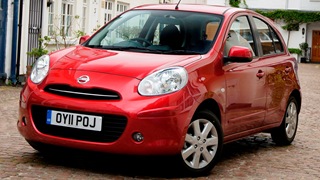
Nissan MarchNissan March 1.0: Importado do México, o March se vale do acordo de isenção de impostos entre os dois países para chegar ao Brasil num conjunto que vem lhe trazendo números de vendas excelentes. Afinal, ele faz uma escala menor da dobradinha de muitos itens e pouco preço que faz a fama dos chineses, e consegue fazer páreo às Quatro Grandes marcas. Além de superar os chineses com a estabilidade das operações de sua marca. Porém, é muito difícil engolir o estilo pokémon tão típico dos anos 1990…


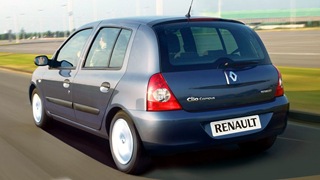
Renault ClioRenault Clio: Este projeto chegou aqui logo depois da Europa, já com produção nacional e expectativas altas. Nunca virou líder de categoria, mas teve vendas expressivas até que a chegada do novo europeu acentuou sua idade – mais tarde nos recebemos o Sandero e o veterano foi rebaixado. Sua cabine não é um latifúndio, mas ele se destaca porque a contenção de custos só se restringiu à lista de itens: seu acabamento caprichado dos tempos de outrora ainda existe. Em breve ganha um face-lift.


Volkswagen Gol G4Volkswagen Gol G4: Assim como o Mille, é um dos veteranos de sua marca que continua em linha apenas enquanto vender bem. Esta fase é o terceiro retoque do famoso “bolinha”, que ficou conhecida pela estabilidade, robustez e manutenção fácil e barata. Mas ver o G5 na mesma marca, muito mais moderno e não tão mais caro, comprar o antigo é mais questão de gosto que preço. Gosto pela cabine com peças (mal) enxertadas do Fox, motor antigo que faz o carro inteiro vibrar, visual antiquado, poucos itens…


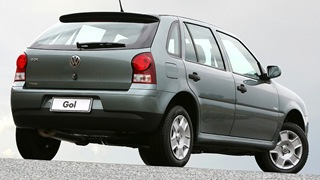
Volkswagen GolVolkswagen Gol G5: Este sim é o Gol representativo. O visual moderno usa plataforma inspirada nos VW europeus e cabine mais espaçosa. A linha 2013 trouxe um face-lift parcial que lhe deixou igual ao resto dos VW, mas o lado bom é que ganhou versão Bluemotion. Ele vem melhor equipado que o G4, sua resistência mecânica já superou a fase dos frequentes recalls, e as versões mais caras usam motor 1.6 e podem ter câmbio automatizado I-Motion e versão Rallye. Em breve vem a versão duas-portas.